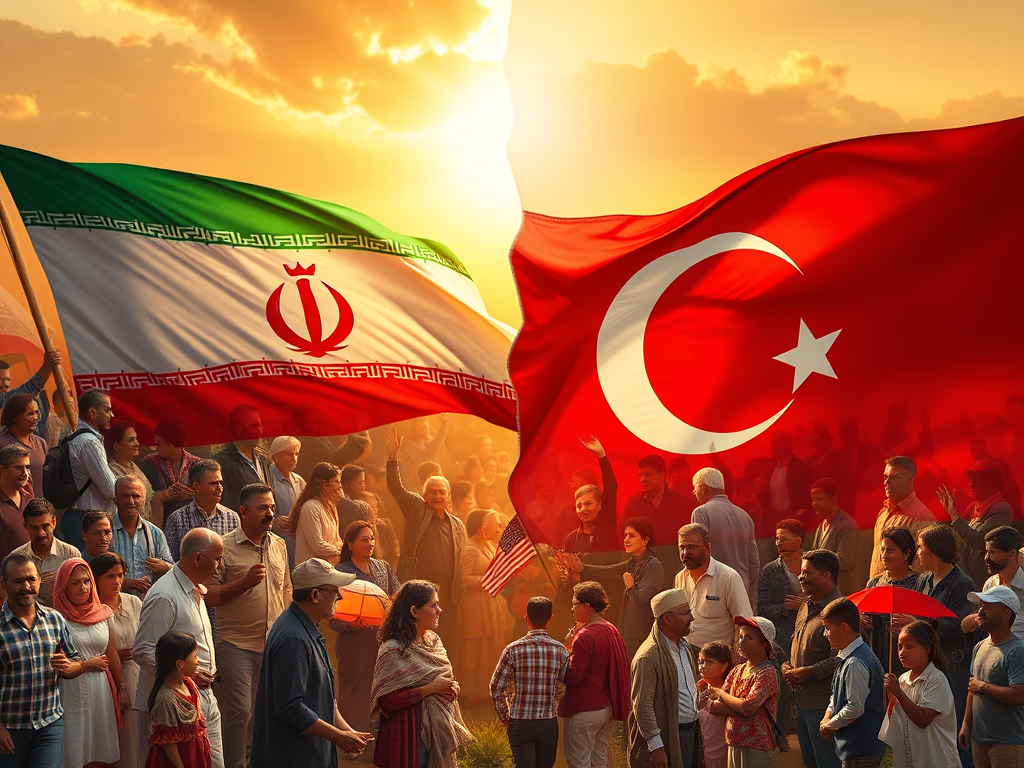


Patriotism is often caught between two extremes: blind glorification and total disillusionment. On one side, some people see their country as flawless and consider any criticism a betrayal. On the other, some feel disillusioned and try to sever all ties with their homeland. Yet, neither of these perspectives fully captures what patriotism truly is.
Patriotism is More Than Just a Feeling ❤️🇮🇷🇹🇷⚖️
No matter our personal sentiments toward our birthplace, it remains a defining factor in our identity and opportunities. The name of our birthplace is recorded in official documents. Future generations will stay connected to it in various ways. Even if we acquire another nationality, our international interactions will still be linked to our country of origin. Many opportunities and challenges will also be connected to it.
But here’s the crucial part: patriotism should not mean blind loyalty, nor should it mean total disregard. True patriotism is about understanding reality, recognizing its impact on our lives, and taking responsibility for our role in it.

An Unchangeable Connection 🌎🔗🇮🇷🇹🇷
Being born in a country does not just grant us its citizenship. It also immerses us in its political, economic, cultural, and international realities. No matter how much we try to distance ourselves, this invisible bond continues to shape our experiences.
I am an Iranian Turk. I have obtained Turkish citizenship. I feel a strong nationalistic connection to both countries.
- Economic and Political Impact: If a country faces international sanctions, the effects reach beyond its borders. Those living outside the country also experience the impact. Citizens abroad face difficulties in financial transactions, banking restrictions, and travel limitations.
- Global Perceptions of a Nation: Negative stereotypes about a nation can affect all its citizens. This occurs whether they live within the country or abroad. These stereotypes lead to prejudice and discrimination.
- International Opportunities and National Identity: Countries with strong economies and political stability offer greater global privileges to their citizens. A powerful passport allows visa-free travel, and major corporations are more willing to collaborate with individuals from such nations. Conversely, citizens of weaker nations often face restrictions and extra scrutiny.

A Country as a Team: A Strategic Perspective on Patriotism ⚽🏆🇮🇷🇹🇷
To better understand this concept, let’s view our country as a team. Whether we like it or not, we share a common destiny with our fellow citizens. Every victory and failure of this team affects all its members.
Patrick Lencioni is a leadership expert and author of The Five Dysfunctions of a Team. He emphasizes five key principles. These are trust, conflict management, commitment, responsibility, and collective results. They are essential for building a successful team. These principles also apply on a national level:

True Patriotism: Love, Awareness, and Responsibility 💙🔍🛠️
- Patriotism Does Not Mean Blind Loyalty
- Loving one’s country does not mean ignoring its flaws. True patriotism involves recognizing strengths and weaknesses and working toward improvement.
- Patriotism Means Engaging with Your Country’s Challenges
- Many people, frustrated with their homeland’s problems, try to detach themselves completely. But this approach is neither practical nor effective in bringing about change.
- Patriotism Means Accepting Reality and Striving for Change
- The country in which we were born will continue to influence our lives.
- If our country thrives, we gain from its success.
- If our country faces crises, even if we migrate, these crises still affect us indirectly.
- Instead of remaining passive, why not take action—no matter how small—to contribute to positive progress?

A Final Thought: What Role Will You Play? 🤔🏅🌟
You love your country or feel disillusioned by it, but you can’t deny its impact on your life. True patriotism means embracing this connection, understanding its significance, and actively contributing to a better future.
We are all part of the same team, and the successes or failures of this team define our shared destiny. The real question is: what role will you play in this team?


Leave a Reply